
United Way’s 211 resource helpline provides information and referrals to 40,000+ statewide resources and services to ensure people have their basic needs met.
Learn More →
We strengthen and support the nonprofit sector by connecting leaders, training teams and providing grants and technical assistance.
Learn More →


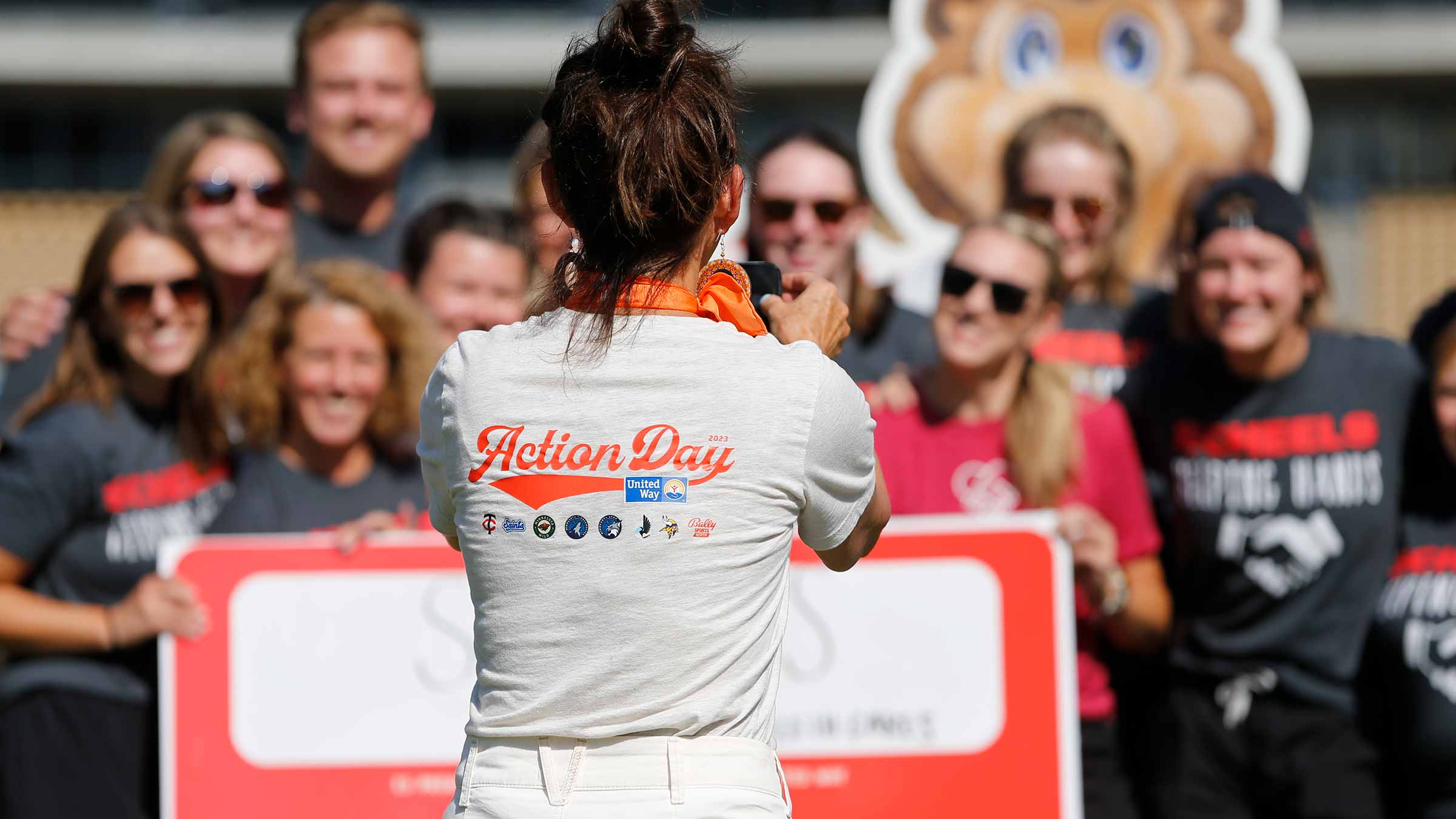
United Way is a nonprofit, 501(c)(3) agency that fuels lasting change in our community by uniting changemakers, advocating for social good, and developing solutions to address the challenges no one can solve alone.
Learn about the roles we play in our community.
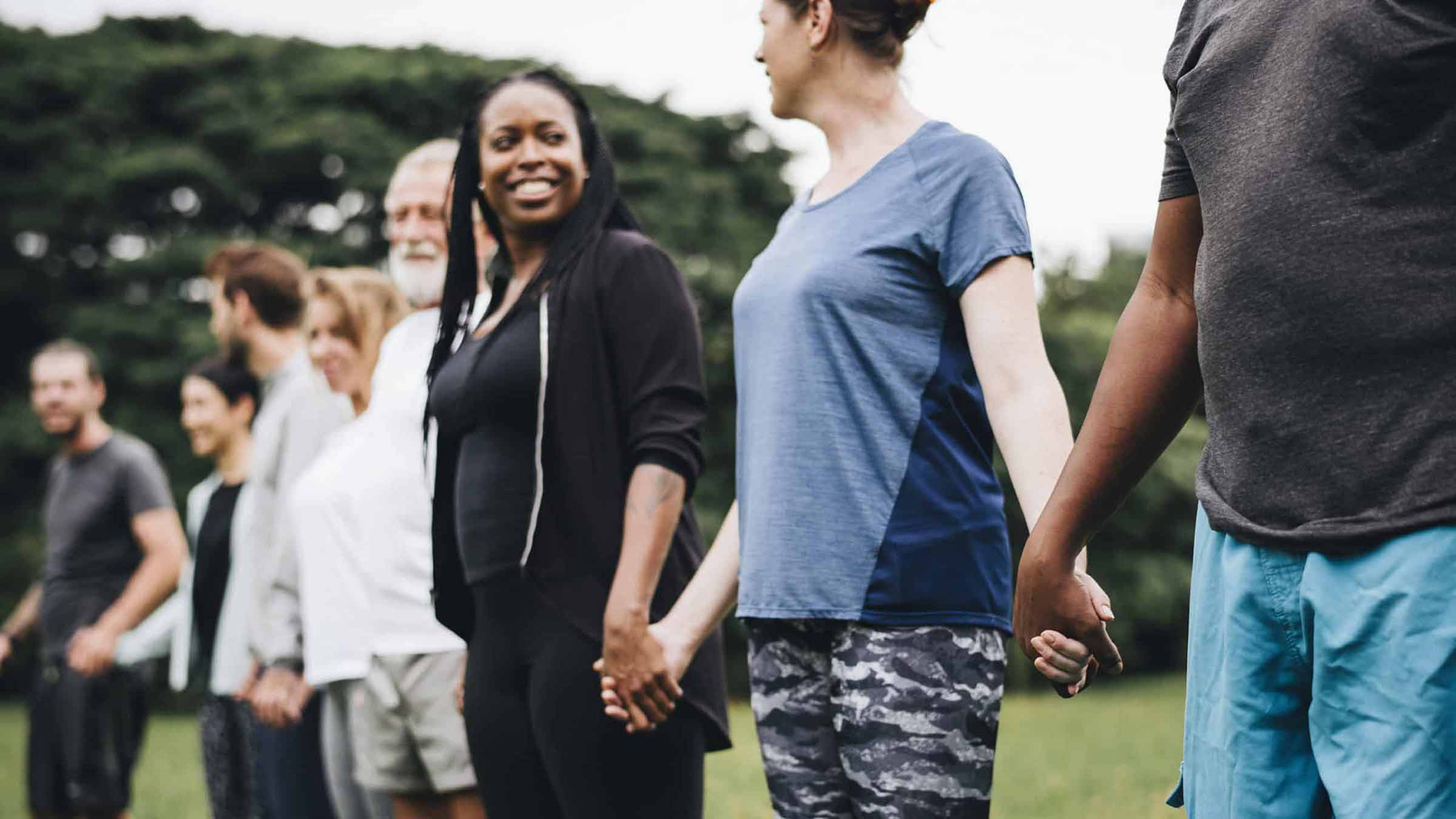
We live in a world where divisions, disparity and poverty affect everyone. There are many ways to solve problems, but when we unite as changemakers we can disrupt systems, unlock human potential, change narratives, create equitable solutions and advocate for policies that result in lasting change.
We strive to create a community where all thrive regardless of income, race or place. To do this, we work with partners to change inequitable housing, food, education and employment systems so they’re available to everyone.
Learn about our impact areas.
We support our neighbors across Anoka, Carver, Chisago, Dakota, Hennepin, Isanti, Ramsey, Scott and western Washington counties to help ensure they all have their basic needs met.
We are uniquely positioned to address challenges no one can solve alone in order to create lasting change throughout the Greater Twin Cities.
We draw from our best minds, seeking wisdom and insight from changemakers across the community, including those who have lived experience in the issues we address and people most impacted by systemic inequities.
Together with these and other changemakers — volunteers, hundreds of business and nonprofit partners, organizational leaders, and policymakers — we fuel broad, systemic changes that will lead to a community where all thrive.
The Greater Twin Cities United Way 211 Resource Helpline provides free and confidential health and human services information for people in Minnesota. Our call specialists are available 24 hours a day, 7 days a week to connect individuals with resources and information, including food, housing, employment and more. Learn more about the 211 Resource Helpline.
While Greater Twin Cities United Way does not currently accept donations of clothing and furniture. Our 211 Resource Helpline has a directory for material donation locations that you can access.